Dorset: The Good, the Strange and the Seriously Beautiful
Dorset has a reputation.
Rolling green hills. Thatched cottages. Cream teas. A coastline so spectacular that UNESCO decided the whole thing needed protecting.
All true.
But spend a little longer here and you’ll discover another Dorset. A county where people once competed to throw rock-hard biscuits, an island where saying the word “rabbit” can get you some very suspicious looks, and villages with names that sound like they were invented after several pints of cider.
Welcome to Dorset. Beautiful, ancient and just the right amount of weird.
First, the ridiculously good-looking bit
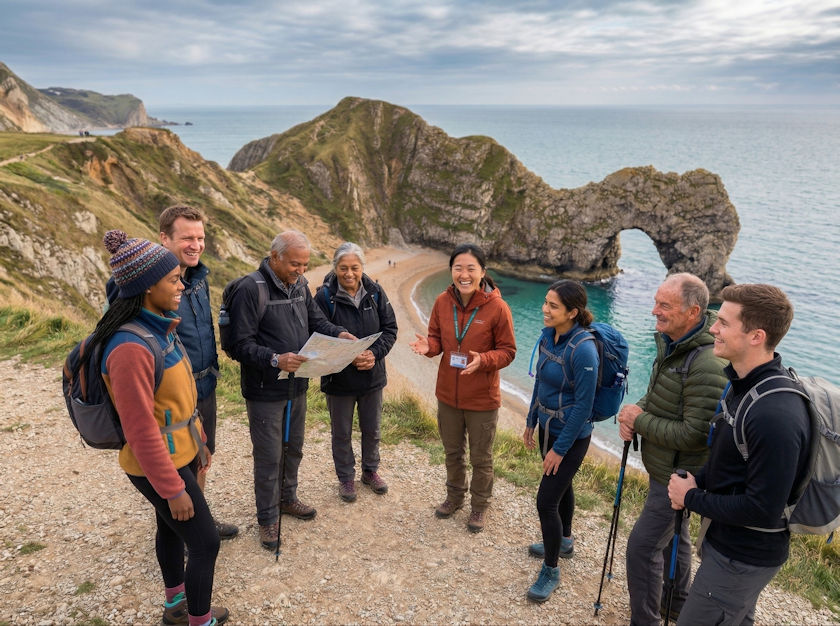
Dorset’s headline act is, of course, the Jurassic Coast.
Stretching for 95 miles through Dorset and East Devon, this UNESCO World Heritage Site records around 185 million years of Earth’s history. You can walk beneath towering cliffs, hunt for fossils that have been buried for millions of years and stand beneath natural landmarks that look almost too perfect to be real.
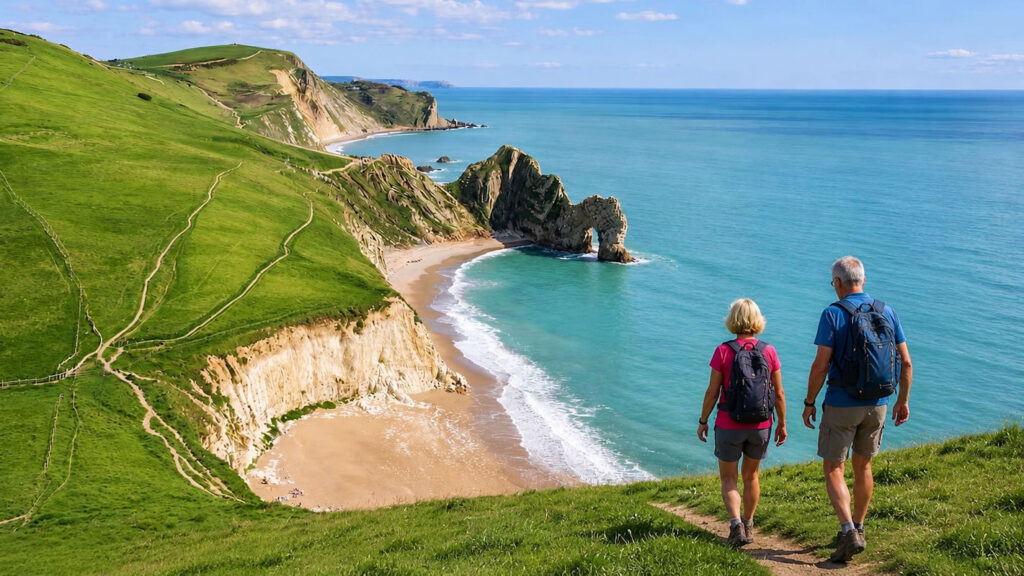
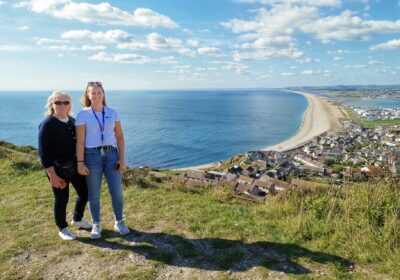
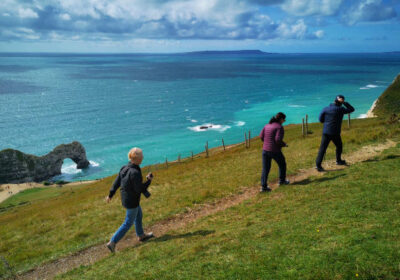
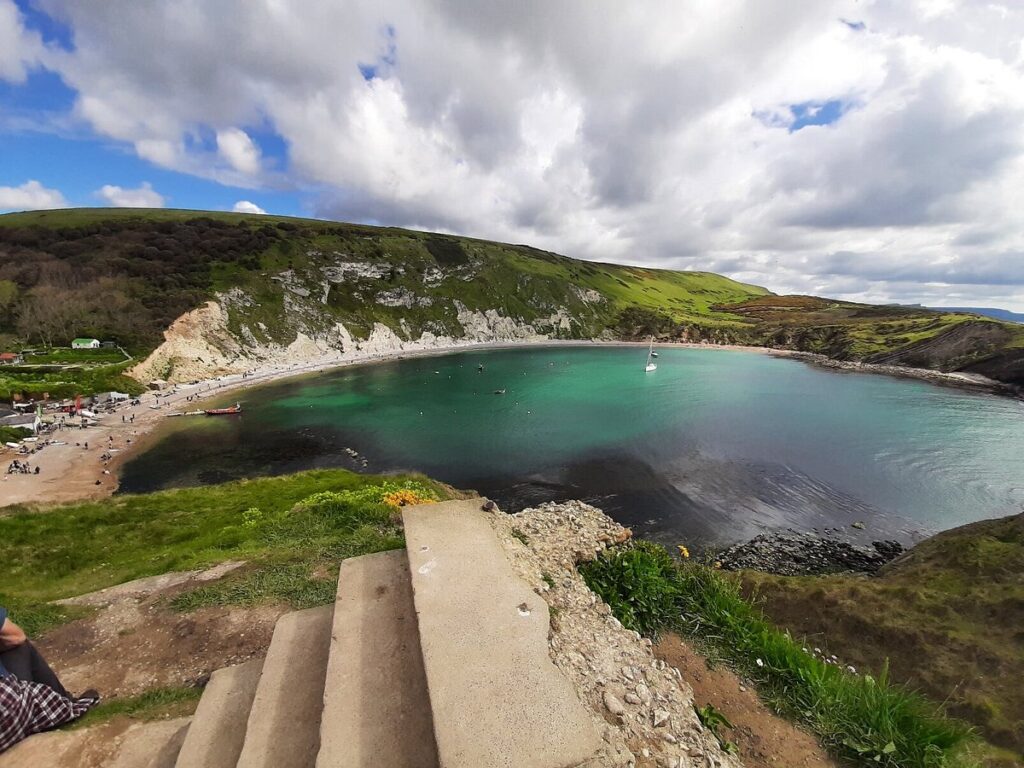
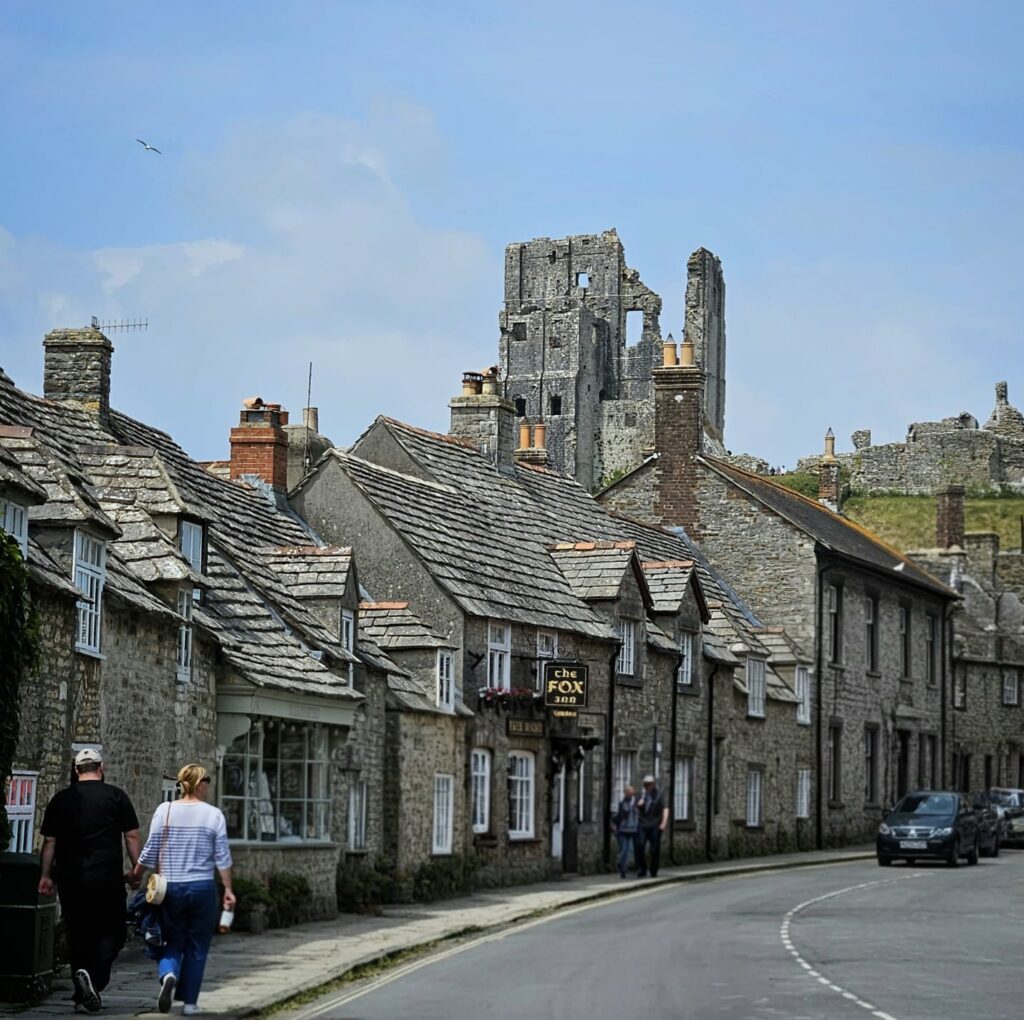
There’s Durdle Door, the enormous limestone arch that’s become the unofficial poster child of Dorset. Lulworth Cove, an almost perfectly formed horseshoe bay. Chesil Beach, an extraordinary barrier beach stretching for miles along the coast. Then there’s the dramatic ruin of Corfe Castle, sitting high above one of Dorset’s prettiest villages.
And that’s before we’ve even mentioned the rolling countryside, chalk downs, hidden valleys, traditional pubs and spectacular coastline.
Dorset is absurdly photogenic.
But enough about the pretty stuff.
Things are about to get strange.
Dorset once had competitive biscuit throwing
Yes. Biscuit throwing.
The wonderfully bizarre Dorset Knob Throwing tradition celebrated one of the county’s hardest culinary creations, the Dorset Knob.
And when we say hard, we mean hard.

Rather than simply eating them, competitors gathered to see who could throw one the furthest. The event also featured various other knob-related activities, which we’re going to leave right there.
It’s exactly the sort of event that makes complete sense once you’ve spent enough time in the English countryside.
Whatever you do on Portland, don’t say “ra*bit”
This is one of our favourites.
On the Isle of Portland, the word “ra*bit” has traditionally been considered seriously unlucky.
The superstition is closely connected to Portland’s long history of quarrying. Rabbits burrowing through the land were associated with unstable ground and rock falls, making their sudden appearance an unwelcome warning to quarry workers.
Even today, some Portlanders prefer alternatives such as “bunnies” or the wonderfully local “underground mutton”.
So if you visit Portland and spot one hopping across the road, choose your words carefully.
You’ve been warned.
Dorset has a River Piddle. Obviously.
The River Piddle flows through a collection of wonderfully named Dorset villages, including Piddlehinton and Piddletrenthide.
Then there’s Puddletown.
A popular local story claims its name was changed from Piddletown because Queen Victoria found the original name rather embarrassing.
It’s a brilliant story.
It’s also probably not true.
Historical records suggest variations of the Puddle name existed long before Victoria arrived on the scene. But frankly, the legend is far more entertaining, so it continues to survive.
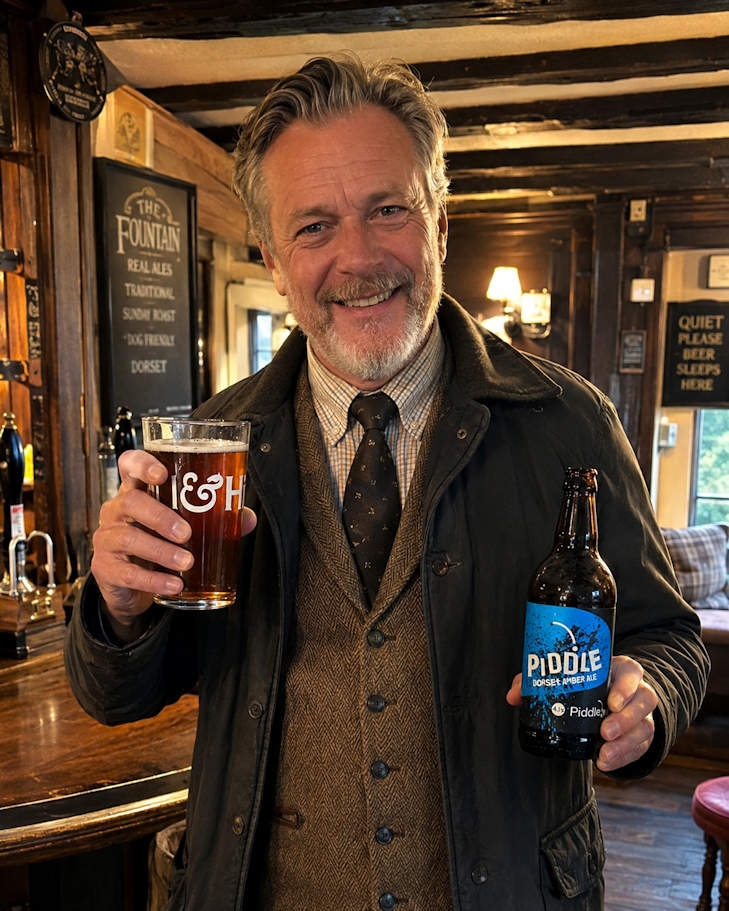
One thing you can do, is actually buy a pint of Piddle! Ahh.. only in Dorset!
Either way, Dorset remains one of the few places where asking someone for directions to Piddletrenthide is a completely serious question.
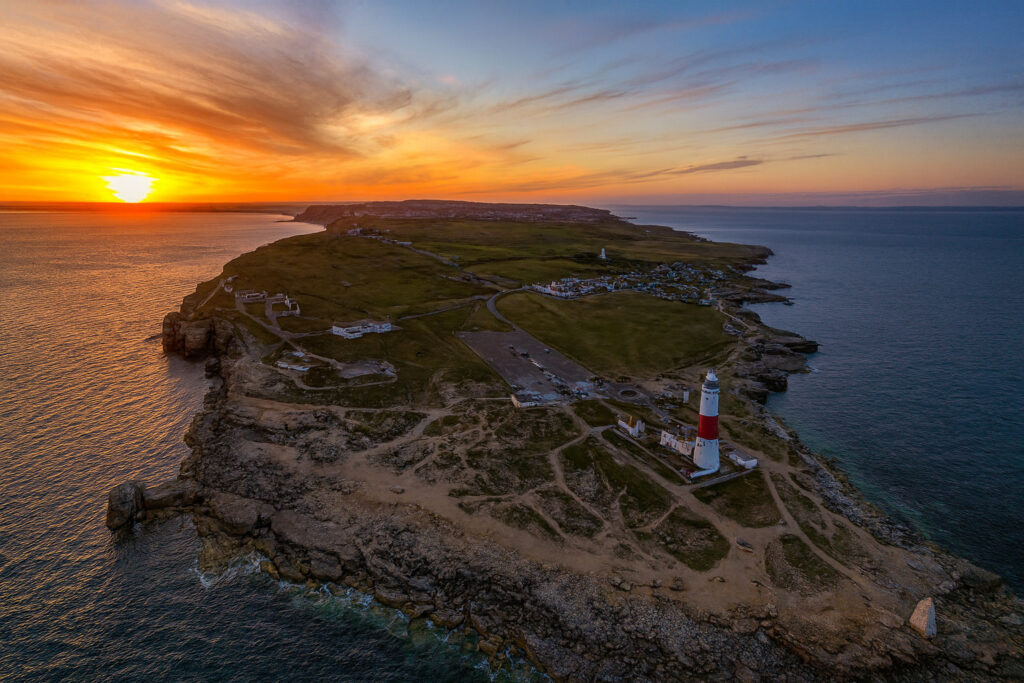
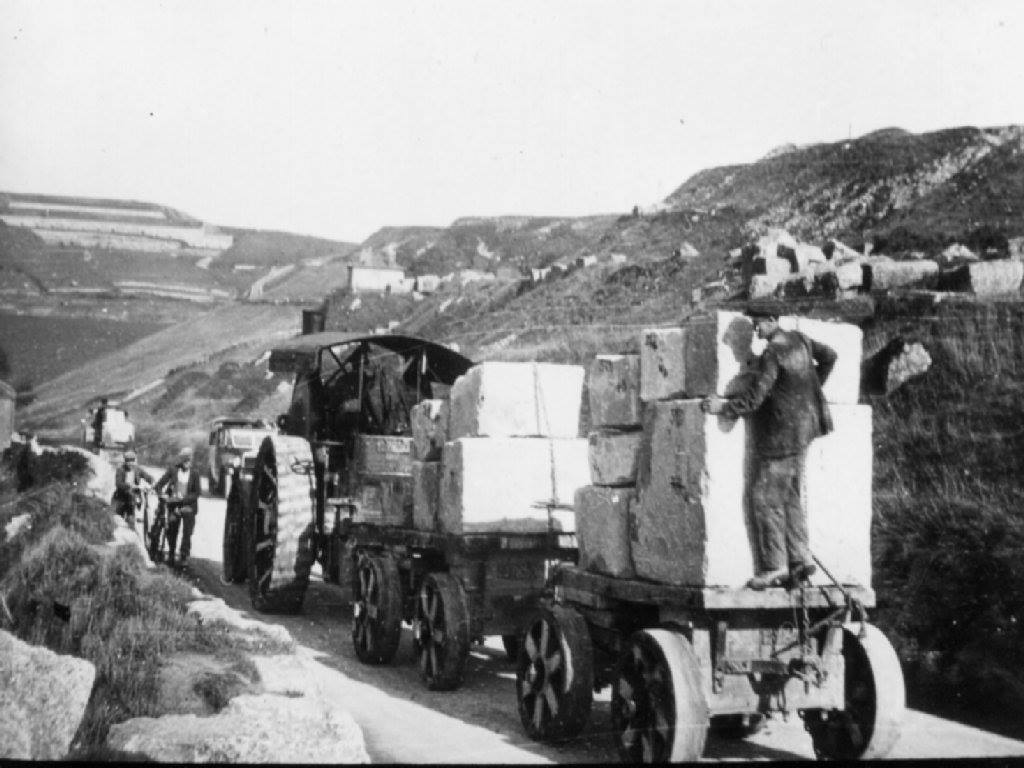
On Portland, stone is everywhere. Including London.
The Isle of Portland isn’t just a dramatic lump of limestone sticking out into the English Channel.
Its stone helped build some of Britain’s most famous landmarks.
Portland stone has been used extensively in major buildings and monuments, particularly in London, and the island’s quarrying heritage has shaped its landscape and culture for centuries.
So when you’re standing on Portland looking across the quarries, you’re looking at the source of a material that became part of the architectural identity of Britain.
Not bad for an island where you’re not supposed to mention Ra*** (Bunnies).
Did Dorset record Britain’s first UFO?
One of Dorset’s stranger historical claims comes from 1733, when a man reportedly witnessed a bright, silvery object moving through the sky near Fleet.
The incident is sometimes described as Britain’s first recorded UFO sighting.
Was it an alien spacecraft?
Probably not.
Do we know exactly what he saw?
Also no.
Either way, Dorset apparently got into UFO spotting a couple of centuries before everyone else.
The Dorset dog that may have helped inspire Lassie
Here’s where local history starts sounding like a Hollywood script.
When HMS Formidable sank during the First World War, casualties were brought ashore near Lyme Regis. According to the famous local story, a collie named Lassie repeatedly licked the face of a sailor who had been presumed dead.
The sailor eventually showed signs of life.
The story later became associated with the name Lassie and is often claimed as an inspiration behind the world’s most famous fictional collie.
How much of the later legend can be traced directly back to that moment is debated, but it’s one of those extraordinary Dorset stories that refuses to disappear.
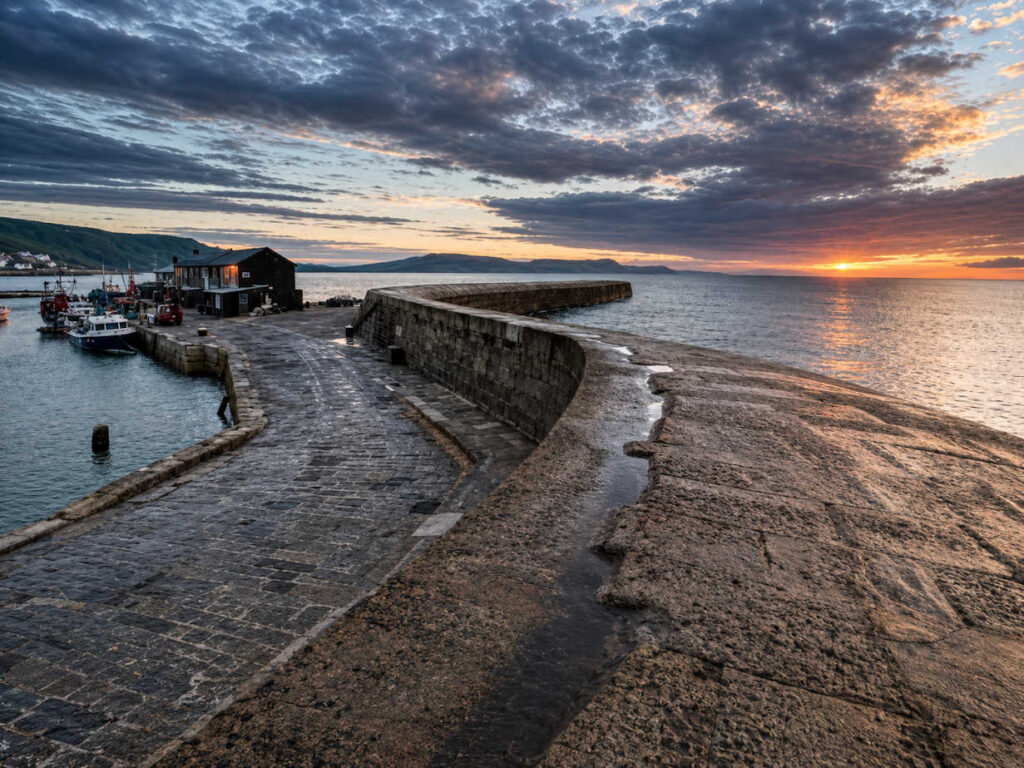
The Cobb: Lyme Regis’s Famous Harbour Wall
Jutting dramatically into the sea at Lyme Regis, The Cobb has protected the town and its harbour for centuries.
But this isn’t just any old harbour wall.
It became famous through Jane Austen’s Persuasion and later appeared in the iconic opening scenes of The French Lieutenant’s Woman, with Meryl Streep standing dramatically at the end as waves crash around her.
On a calm day, it’s one of the best walks in Lyme Regis, with fantastic views back across the town and along the Jurassic Coast.
On a stormy day?
Probably best admired from a safe distance.
We even made a road unnecessarily complicated
Up near Shaftesbury you’ll find Zig Zag Hill, frequently described as one of Britain’s bendiest roads.
The name is not misleading.
It’s a short stretch of road containing a ridiculous collection of tight bends that looks as though whoever designed it simply refused to travel in a straight line.
Dorset could have built a normal road.
Dorset chose chaos.
Then there’s the history. Everywhere.
This is a county where history isn’t locked behind museum glass.
You can walk through the ruins of Corfe Castle, explore landscapes associated with Thomas Hardy, ride a heritage steam railway through the Purbeck countryside and hunt for fossils along beaches where major prehistoric discoveries have been made.
Dorset has inspired generations of writers, artists and filmmakers, while its landscapes continue to attract photographers and anyone with enough storage left on their phone.
So, what exactly is Dorset?
Dorset is Durdle Door at sunrise.
It’s fish and chips beside Weymouth Harbour.
It’s standing above Chesil Beach wondering how the view can possibly stretch that far.
It’s ruined castles, prehistoric fossils and villages that haven’t changed nearly as much as the rest of the world.
But it’s also biscuit throwing, underground mutton, suspicious objects in the sky and place names that make visitors ask us to repeat ourselves.
And that’s exactly why we love it.
Dorset isn’t polished into perfection. It’s beautiful, occasionally eccentric and packed with stories.
You just need someone local to show you where to look.
Ready to explore Dorset for yourself?
Discover our small group tours and cruise excursions across Dorset and the Jurassic Coast.